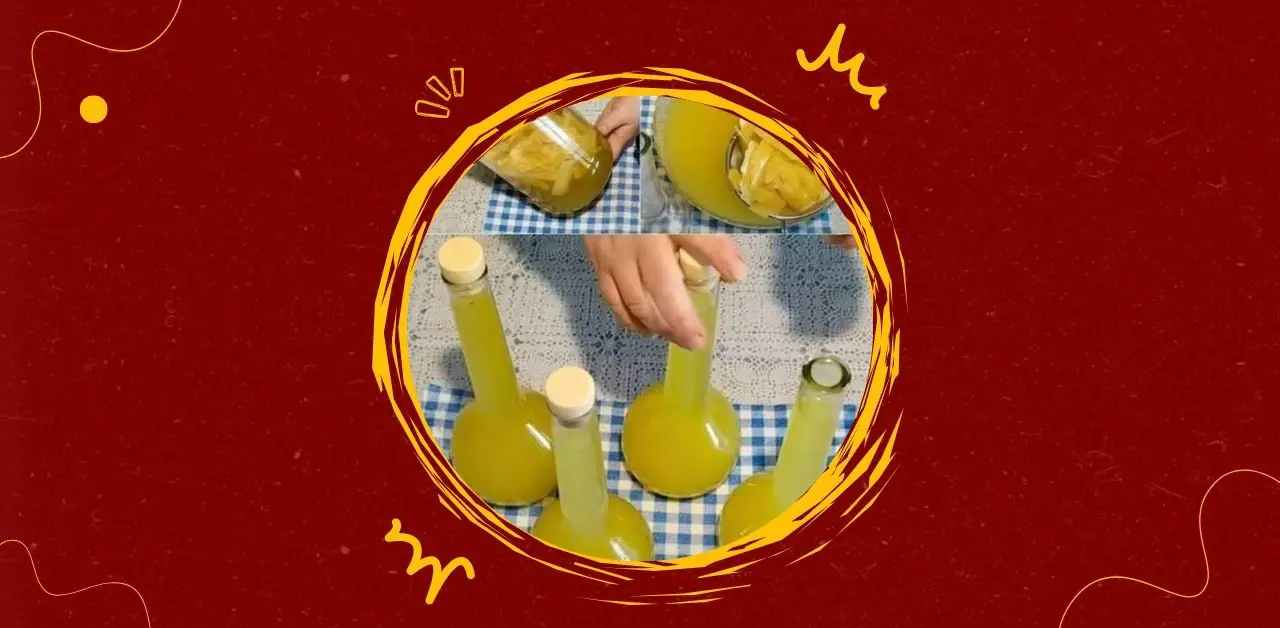
This sun-infused lemon elixir is a vibrant, aromatic citrus spirit crafted through a slow infusion of lemon peels in alcohol, followed by sweetening and bottling. It’s a celebration of simplicity and patience, transforming humble lemons into a golden, fragrant drink that can be sipped, gifted, or used in culinary creations. The process involves extracting essential oils from lemon zest over several days or weeks, yielding a bright, zesty base that’s then balanced with a sugar syrup to create a smooth, mellow finish.
The result is a lemon liqueur that’s bold yet refined, with a clean citrus aroma and a silky texture. It can be served chilled as a digestif, added to cocktails, drizzled over desserts, or used in marinades and glazes. The flavor deepens over time, making it a rewarding project for those who appreciate handcrafted, seasonal infusions. This recipe is designed for home kitchens and includes tips for selecting lemons, managing infusion time, and achieving clarity and balance in the final product.
INGREDIENTS:
For the Infusion:
8–10 fresh, unwaxed lemons (preferably organic)
750 ml neutral spirit (vodka or grain alcohol, 40–50% ABV)
1 large glass jar with a tight-fitting lid
For the Syrup:
2 cups water
1 ½ cups granulated sugar (adjust to taste)
For Bottling:
4–5 glass bottles with corks or caps
Funnel and fine mesh strainer
Cheesecloth (optional for clarity)
Optional Additions:
Zest of 1 lime or orange (for complexity)
1 small sprig of rosemary or mint (for herbal notes)
1 tsp vanilla extract (for warmth)
1 tbsp honey (for depth)
INSTRUCTION:
Step 1: Prepare the Lemons
Wash lemons thoroughly under warm water to remove any residue.
Pat dry and use a vegetable peeler to remove the zest in long strips.
Avoid the white pith beneath the zest—it’s bitter and can affect flavor.
Place zest strips into a clean, dry glass jar.
Step 2: Add the Alcohol
Pour the neutral spirit over the lemon zest until fully submerged.
Seal the jar tightly and shake gently.
Store in a cool, dark place for 10–21 days, shaking the jar every 2–3 days.
The liquid will gradually turn golden yellow and develop a strong citrus aroma.
Step 3: Strain the Infusion
After the infusion period, strain the liquid through a fine mesh strainer into a clean bowl.
For extra clarity, strain again through cheesecloth or a coffee filter.
Discard the used lemon peels.
Step 4: Prepare the Syrup
In a saucepan, combine water and sugar.
Heat gently, stirring until sugar is fully dissolved.
Let cool to room temperature.
Step 5: Blend and Balance
Combine the strained lemon infusion with the cooled syrup.
Stir gently and taste. Adjust sweetness by adding more syrup or a splash of lemon juice.
Optional: Add vanilla extract, honey, or herbal elements for complexity.
Step 6: Bottle the Elixir
Using a funnel, pour the finished elixir into clean glass bottles.
Seal with corks or caps.
Label with date and contents if desired.
Step 7: Rest and Serve
Let bottles rest for 3–5 days to allow flavors to meld.
Serve chilled in small glasses or use in cocktails and desserts.
SERVINGS:
Yields approximately 1 liter of lemon elixir. Serves 20–25 small portions. Ideal for gifting, celebrations, or culinary use. Keeps well for up to 6 months in a cool, dark place. Refrigeration extends freshness.
NOTE:
Lemon Selection: Use unwaxed, organic lemons for best flavor and safety. Avoid blemished or overripe fruit.
Alcohol Choice: Neutral spirits like vodka allow lemon flavor to shine. Higher-proof alcohol extracts faster but may require more syrup.
Infusion Time: Longer infusion yields deeper flavor. Taste after 10 days and adjust based on preference.
Sweetness Balance: Start with less syrup and add gradually. Over-sweetening can mask citrus notes.
Clarity Tips: Double strain for a clear finish. Cloudiness may occur with honey or herbal additions.
Flavor Variations: Add lime zest for brightness, orange zest for warmth, or herbs for complexity.
Serving Suggestions: Serve chilled in cordial glasses, mix with sparkling water, or drizzle over cakes and fruit.
Storage: Store in glass bottles away from sunlight. Avoid plastic containers which may leach flavor.
Safety Note: Ensure all equipment is clean and dry to prevent spoilage.
OTHER RECIPES:
1. Lemon Syrup for Drinks
A simple syrup made from lemon juice and sugar. Used in teas, cocktails, and sodas.
2. Citrus Marinade for Grilled Chicken
Lemon juice, zest, garlic, and herbs blended into a marinade. Bright, tangy, and aromatic.
3. Lemon Glaze for Cakes
Powdered sugar mixed with lemon juice and zest. Poured over pound cake or muffins.
4. Lemon Curd
Eggs, sugar, butter, and lemon juice cooked into a thick spread. Used in tarts and pastries.
5. Lemon Ice Cubes
Lemon juice frozen into cubes with mint or zest. Added to water or cocktails.
6. Lemon-Infused Olive Oil
Lemon zest steeped in olive oil. Used for salads, fish, or roasted vegetables.
7. Lemon Sugar
Granulated sugar mixed with dried lemon zest. Used for baking or rimming glasses.
8. Lemon Vinegar Cleaner
Lemon peels soaked in vinegar for 2 weeks. Strained and used as a natural cleaner.
9. Lemon Salt
Sea salt blended with lemon zest and dried. Used for seasoning meats and vegetables.
10. Lemon Honey Tonic
Lemon juice mixed with warm water and honey. Sipped for digestion and hydration.
This sun-infused lemon elixir is more than a drink—it’s a ritual of transformation, patience, and sensory delight. From the careful peeling of zest to the slow infusion and final bottling, each step invites connection to tradition and craft. Whether you’re preparing it for celebration, gifting, or personal enjoyment, it offers brightness, warmth, and elegance in every sip.
