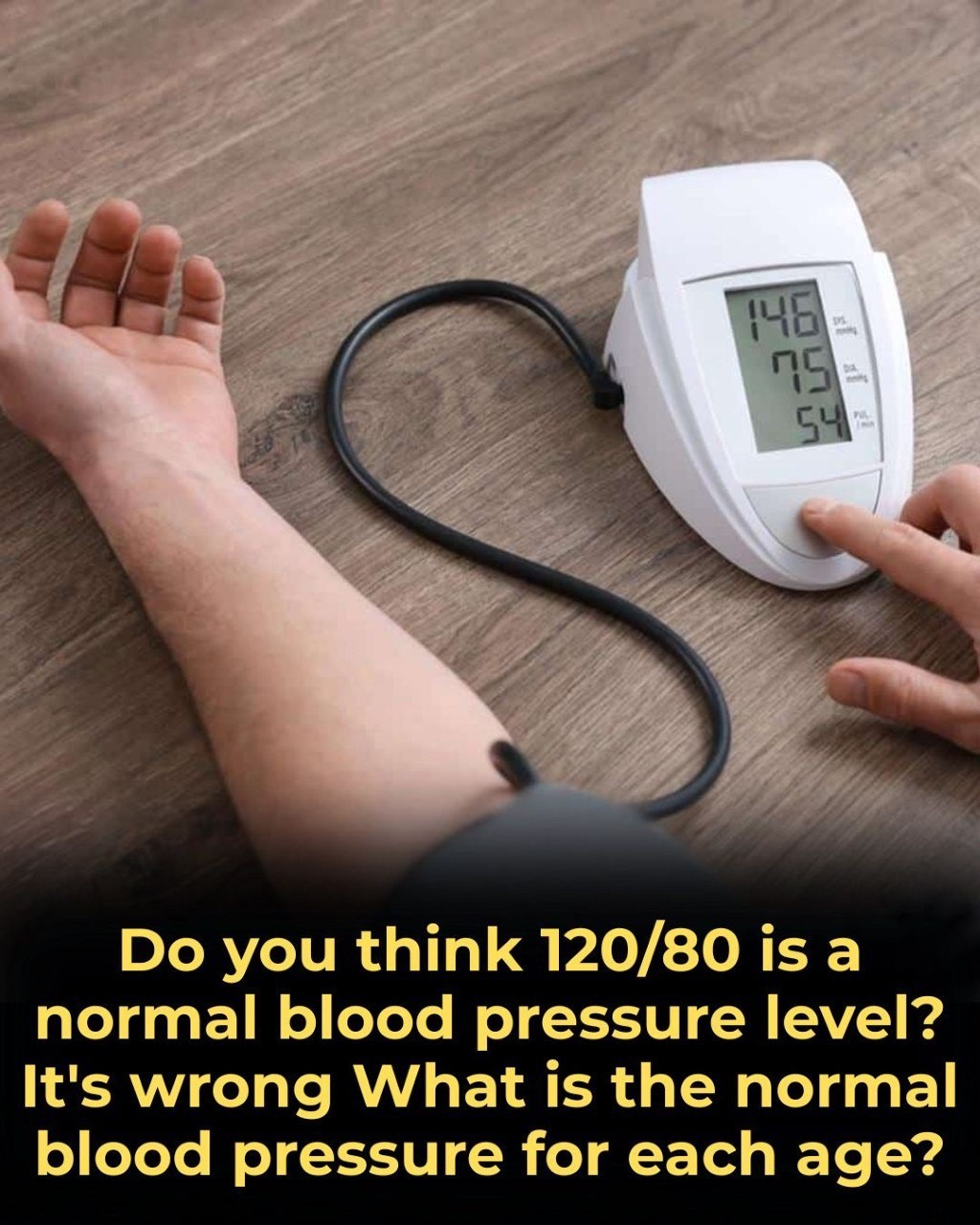
What Is Normal Blood Pressure for Your Age? A Clear, Updated Guide
Blood pressure is one of the most important vital signs for assessing cardiovascular health. While the « ideal » reading is often cited as 120/80 mmHg, what’s considered normal can vary by age, gender, and individual health. This guide breaks down current standards and offers actionable tips for maintaining healthy blood pressure at any stage of life.
📊 Blood Pressure Categories (Adults)
According to the American Heart Association (AHA) and other major health bodies:
Category Systolic (Top Number) Diastolic (Bottom Number)
Normal < 120 mmHg and < 80 mmHg
Elevated 120–129 mmHg and < 80 mmHg
Hypertension Stage 1 130–139 mmHg or 80–89 mmHg
Hypertension Stage 2 ≥ 140 mmHg or ≥ 90 mmHg
Hypertensive Crisis > 180 mmHg and/or > 120 mmHg
Note: *Hypertension is now diagnosed at 130/80 mmHg or higher*, a change from older guidelines. Blood Pressure in Children & Teens
In younger individuals, blood pressure is assessed using percentile charts based on age, height, and gender. The following are approximate averages:
Age Group Average Systolic Average Diastolic
1–3 years 80–110 mmHg 50–70 mmHg
4–6 years 85–115 mmHg 55–75 mmHg
7–10 years 90–120 mmHg 60–80 mmHg
11–13 years 95–125 mmHg 60–80 mmHg
14–18 years 100–135 mmHg 65–85 mmHg
A reading is considered high in children if it’s at or above the 95th percentile for their age, height, and sex.👩⚕️ Average Blood Pressure in Adults by Age & Gender
While 120/80 mmHg remains a healthy target for most adults, averages tend to rise with age due to vascular changes.
Age Group Women (Average) Men (Average)
18–39 years 110–120 / 70–80 mmHg 115–125 / 70–80 mmHg
40–59 years 120–130 / 75–85 mmHg 120–135 / 75–85 mmHg
60+ years 130–140 / 70–90 mmHg 130–140 / 70–90 mmHg
Important: These are averages, not targets. Consistently staying below 120/80 mmHg is ideal for long-term heart health.
🩺 Why Blood Pressure Rises with Age
Arterial Stiffness: Blood vessels lose elasticity over time.
Plaque Buildup: Cholesterol deposits can narrow arteries.
Hormonal Changes: Especially post-menopause in women.
Lifestyle Factors: Diet, activity, stress, and weight.When to See a Doctor
Consistent readings ≥ 130/80 mmHg
Symptoms like headaches, shortness of breath, chest pain, or dizziness
Sudden, severe increase in BP (possible hypertensive crisis)
💡 Key Takeaway
While blood pressure naturally changes with age, hypertension is not inevitable. By understanding your numbers and adopting proactive lifestyle habits, you can support healthy blood pressure throughout your life. Regular check-ups and home monitoring are your best tools for staying ahead of any issues.
Your heart doesn’t keep time with a calendar—take care of it at every age
