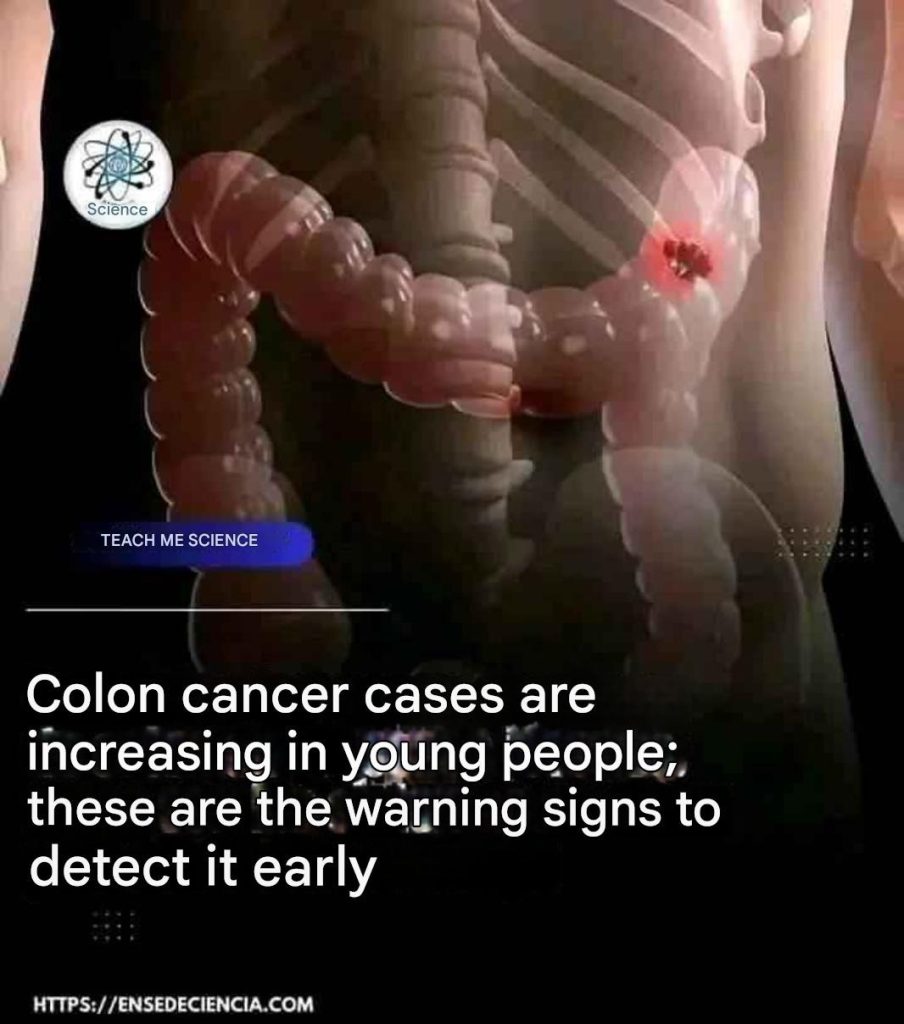
Colon cancer is the fourth most common cancer in men and women, according to the American Cancer Society. The risk of developing it increases with age (it is diagnosed more frequently in adults over 50), but the incidence of colorectal cancer in younger adults is rising.
“Being young doesn’t mean you can’t get colorectal cancer,” warns Dr. Tareq Kamal, a colorectal cancer surgeon at Houston Methodist Hospital. “Although it occurs primarily in older populations, this cancer can also occur in adults under 50.”
This message is particularly relevant given the alarming news that colorectal cancer is now the leading cause of cancer death in men under 50. That’s why everyone should be aware of the symptoms and seek medical attention if they experience them.
“The prognosis improves significantly if the cancer is detected early,” Dr. Kamal emphasizes. “Ignoring symptoms can allow colon cancer to progress, making it more difficult to treat.”
Here you will find everything you need to know about this type of cancer, including its risk factors and the symptoms that warrant a conversation with your doctor.
What is the colon?
The colon, also known as the large intestine, is a long tube essential to the digestive system. Its main function is to absorb water and eliminate digested food from the body in the form of feces.
When cells with abnormal DNA arise and grow uncontrollably within the lining of the colon or rectum, it is called colorectal cancer. Depending on where the tumor forms, colorectal cancer is further classified as colon cancer or rectal cancer. The latter occurs much less frequently.
“Colon cancer and rectal cancer are grouped together as colorectal cancer because the tumors share similar biology and symptoms,” explains Dr. Kamal. “They are also similar from a prevention and diagnostic standpoint. However, treatment options differ depending on the tumor’s location. Rectal tumors are more complex to treat, so the treatment pathway after diagnosis may be different.”
What are the causes of colorectal cancer?
While it is not exactly clear what causes cancer cells to develop in the lining of the colon, much is known about what happens next.
“Most colorectal cancers begin as a polyp, which is an abnormal growth in the lining of the colon or rectum,” says Dr. Kamal. “There are several types of polyps, but the most concerning are adenomatous polyps. These carry the risk of progressing to form a type of colon cancer known as adenocarcinoma.”
We also know about some factors that increase the risk of colorectal cancer. Some of these we cannot change, however, others we can, according to Dr. Kamal.
Risk factors for colorectal cancer include:
A family history of colorectal cancer, particularly a first-degree relative;
a history of advanced polyps (large or numerous);
certain chronic medical conditions, such as inflammatory bowel disease (IBD) and cystic fibrosis
; smoking;
excessive alcohol consumption;
a diet high in red or processed meats;
obesity;
and a sedentary lifestyle are all
risk factors. “People at higher risk are those with a significant family history of colorectal cancer—that is, a parent or sibling with this type of cancer,” adds Dr. Kamal. “That said, anyone can get colorectal cancer, even someone who isn’t at higher risk.”
What are the early signs of colon cancer?
The earlier colorectal cancer is detected, the better. So how can you be sure you’re not missing early symptoms? The answer might not be what you expect, since the early stages of colorectal cancer are often asymptomatic.
“Generally, the symptoms of colon cancer don’t begin to appear until the cancer is a bit more advanced,” the specialist explains. “Ideally, we would detect the cancer before this point.”
That’s why it’s so important to follow colorectal cancer screening guidelines. People at normal risk for colorectal cancer should begin having colonoscopies at age 45. If you have a higher risk, your doctor can help you understand whether you need to be screened earlier or more frequently.
“Screening tests help us find and remove polyps before they become cancerous, as well as detect colon cancer when it is still in its early stages and easier to treat,” adds Dr. Kamal.
Colorectal cancer screening tests are a critical component of prevention and early diagnosis, but following recommended guidelines isn’t the only step toward early detection. It’s also important to be aware of the symptoms of colorectal cancer so you can alert your doctor if you notice them.6 SILENT SYMPTOMS of Colon and Rectal Cancer. Detect it Early!
6 SILENT SYMPTOMS of Colon and Rectal Cancer. Detect it Early!
As a tumor in the colon or rectum grows, physical symptoms begin to appear. Many of these symptoms can be disruptive to your daily life, but the greatest threat is to your overall health. Consulting a doctor is essential to help prevent the cancer from progressing to later, more serious stages.
Symptoms of colorectal cancer include:
Changes in bowel habits (frequency of bowel movements or stool consistency),
rectal bleeding (blood in the stool),
abdominal or pelvic pain,
and unexplained weight loss are
all signs that many things can cause changes in bowel habits, including the common case of food poisoning. But if the problem persists for one or two months, consult your primary care physician.
