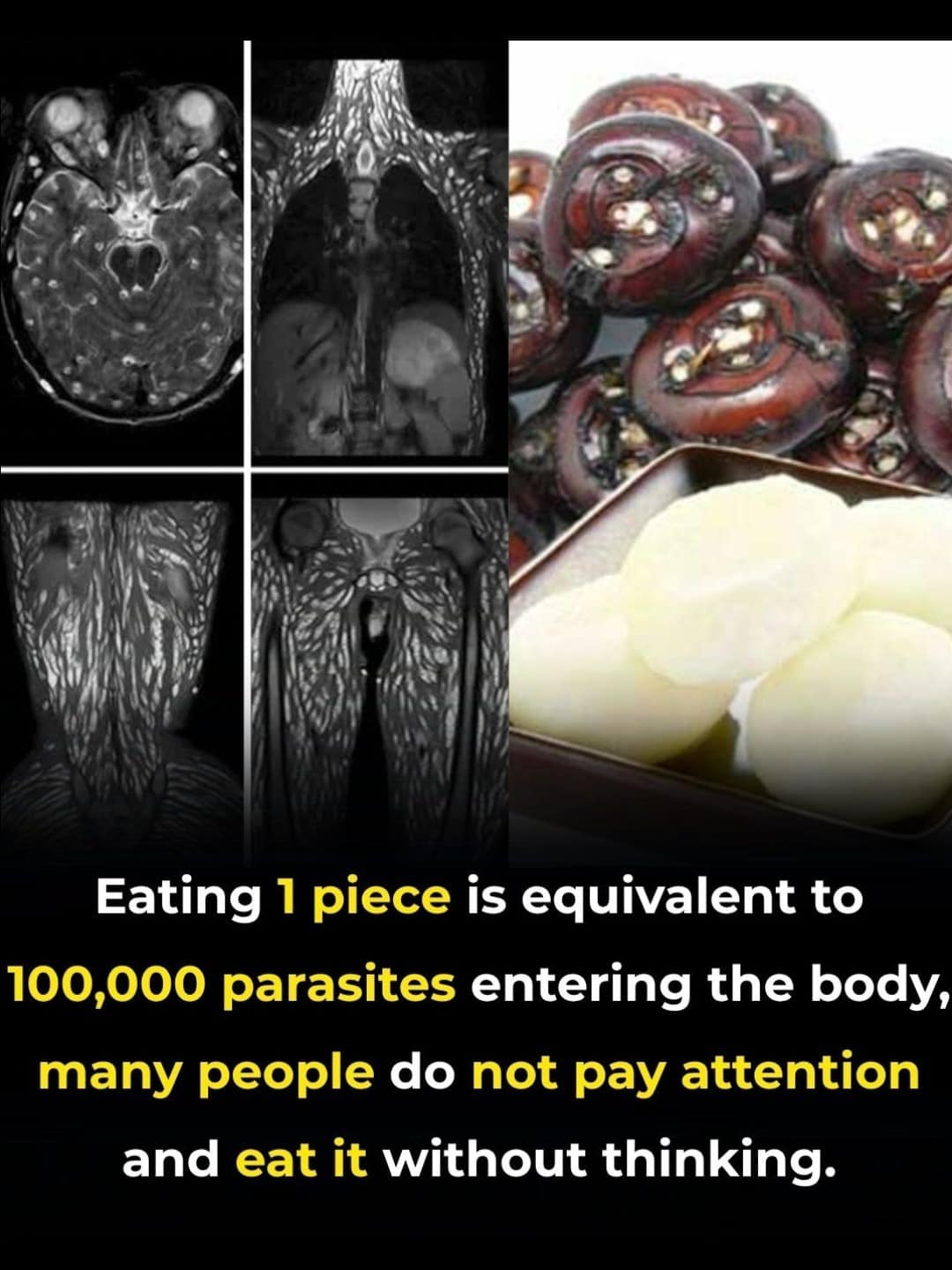
You take a bite.
It tastes fresh. Clean. Delicious.
But what if that single mouthful—of that rosy-tinged pork chop, that briny raw oyster, that sun-ripened unwashed berry from the farmer’s market—harbors an invisible stowaway?
👉 Not bacteria. Not a virus. But a living parasite.
An organism that can migrate, multiply, and establish a long-term residence inside your body—feeding on your nutrients, damaging your tissues, and hijacking your health for months or even years before you suspect a thing.
And the most unsettling truth?
One bite is enough. One moment of lowered guard. One assumed “it’s probably fine.”
This isn’t fear-mongering. This is food safety science. Let’s pull back the curtain on the silent threat hiding in plain sight on our plates—and arm you with the knowledge to protect yourself and your family for good. ✨🛡️
🦠 THE UNSEEN INVADERS: Understanding Foodborne Parasites
Unlike bacteria that multiply on food, or viruses that require a living host to replicate, parasites are complex organisms that live in or on another organism (the host), deriving nutrients at the host’s expense. They range from microscopic single-celled protozoa to visible worms several feet long.
What makes them particularly dangerous:
Stealth Operation: They often cause vague, delayed symptoms (fatigue, bloating, intermittent pain) easily mistaken for IBS, stress, or food intolerance.
Long-Term Tenants: Some can survive in the human body for a decade or more.
One Is Enough: For many parasites, the infectious dose is a single organism or larva.
🍖 THE HIGH-RISK FOODS YOU MIGHT BE EATING “WITHOUT WORRY”
1. Undercooked Pork & Wild Game: The Trichinella Threat
The Parasite: Trichinella spiralis (and related species).
How It Infects: Consuming raw or undercooked meat containing encysted larvae.
The Silent Onslaught: Larvae are released in your stomach, mature in your intestine, and produce new larvae that migrate through your bloodstream to embed in your muscle tissue—including the heart and diaphragm.
Initial Symptoms (1-2 weeks later): Fever, muscle pain and swelling, facial swelling, weakness.
Long-Term Risk: Myocarditis (heart inflammation), neurological complications, chronic muscle pain.
🔥 PROTECTION: Cook pork, wild boar, bear, and other game meat to an internal temperature of at least 160°F (71°C). Freezing may not kill all species, especially in wild game.
2. Raw Shellfish & Fish: A Buffet of Parasites
The Parasites: Anisakis (the “sushi worm”), Vibrio vulnificus (bacterial but often co-occurring), intestinal flukes.
How It Infects: Eating raw or undercooked oysters, clams, sushi, sashimi, ceviche, or lightly cured fish.
The Silent Onslaught: Anisakis worms can penetrate your stomach or intestinal lining, causing sudden, severe pain mimicking an ulcer or appendicitis. Flukes can lodge in bile ducts for years.
Symptoms: Sharp abdominal pain, nausea, vomiting, allergic reactions (hives, anaphylaxis in sensitized individuals).
🔥 PROTECTION: Cook shellfish and fish to 145°F (63°C). For raw consumption, the FDA recommends commercial freezing (at -31°F / -35°C or below for 15+ hours) to kill parasites. Home freezers are NOT cold enough.
3. Unwashed Produce & Contaminated Water: The Protozoan Peril
The Parasites: Toxoplasma gondii, Giardia, Cryptosporidium.
How It Infects: Eating unwashed fruits/vegetables contaminated with soil containing parasite eggs (e.g., from cat feces for Toxoplasma), or drinking untreated water.
The Silent Onslaught: Toxoplasma can form cysts in your brain and muscle tissue. In healthy adults, it often causes mild flu-like symptoms or none at all, but it remains dormant for life. Giardia causes severe, long-lasting diarrhea and malabsorption.
Critical Risk: For pregnant women, Toxoplasma can cause severe birth defects. For immunocompromised individuals, it can be fatal.
🔥 PROTECTION: Wash all produce vigorously under running water. Use a vegetable brush for firm items. Avoid drinking from untreated streams or lakes. Pregnant individuals should avoid changing cat litter.
4. Rare/Undercooked Beef & Pork: The Tapeworm Ticket
The Parasite: Taenia saginata (beef tapeworm), Taenia solium (pork tapeworm—more dangerous).
How It Infects: Consuming raw or rare meat containing tapeworm larvae cysts.
The Silent Onslaught: The larva develops into an adult tapeworm in your intestines, which can grow 15-25 feet long. The pork tapeworm can also cause cysticercosis—where larvae migrate to your brain, forming cysts that can cause seizures, strokes, and death.
Symptoms: Often none for intestinal tapeworms, but can include weight loss, abdominal discomfort, and visible segments in stool.
🔥 PROTECTION: Cook beef and pork to safe temperatures. Freeze meat for several days before preparing for raw/rare dishes (e.g., steak tartare).
🛡️ YOUR 5-STEP SHIELD: How to Eat Without Fear
Master the Thermometer: Don’t guess. Use a digital food thermometer for every piece of meat, poultry, and fish. Memorize safe temps:
Poultry: 165°F (74°C)
Ground Meats: 160°F (71°C)
Pork, Beef, Lamb Steaks/Chops: 145°F (63°C) with a 3-minute rest
Fish: 145°F (63°C) or until opaque and flaky
Respect the Water: Do not drink untreated water when hiking, camping, or traveling. In high-risk areas, stick to bottled or boiled water, even for brushing teeth.
Wash Like a Surgeon: Wash hands with soap and warm water for 20 seconds before and after handling food. Scrub all fruits and vegetables, even those with rinds you won’t eat (like melons).
Separate Relentlessly: Use separate cutting boards for raw meat and produce. Never place cooked food on a plate that held raw meat.
Freeze Strategically: For fish intended for raw consumption, ensure it has been commercially frozen to parasite-killing standards. Home freezers are insufficient.
🚨 WHEN TO SEE A DOCTOR: Don’t Dismiss the Signs
Seek medical attention if you experience unexplained, persistent symptoms, especially after potential exposure:
Chronic digestive issues (diarrhea, bloating, cramps) lasting weeks
Unexplained weight loss with normal or increased appetite
Persistent fatigue and brain fog
New allergic reactions or skin issues
Muscle or joint pain with fever
Tell your doctor about your dietary history. Specific blood tests, stool tests, or imaging can identify parasitic infections. Treatment is often simple and effective with prescription antiparasitic medication.
💎 THE BOTTOM LINE: Knowledge is Your Best Defense
You don’t need to live in fear of food. But you should live with respect for it. The joy of a delicious meal should never come at the cost of your long-term health. By understanding the risks and adopting these simple, non-negotiable kitchen practices, you can confidently savor every bite—knowing you’ve protected the temple that is your body.
Eat wisely. Prepare carefully. Enjoy your food without invisible guests.
Your health is worth that one extra degree of temperature, that thorough wash, that moment of caution.
Post navigation
