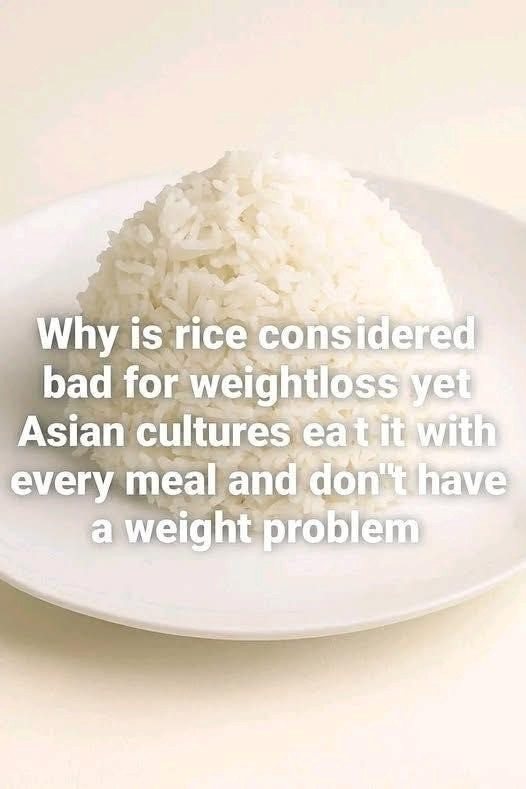
If you’ve ever wondered why rice gets such a bad reputation in Western weight-loss diets, yet remains a staple food across Asia where obesity rates are traditionally lower, you’re not alone. The truth is, rice itself isn’t the problem—it’s how it’s eaten, what it’s paired with, and the overall lifestyle that makes the difference.
The Western Perception of Rice
In many Western diets, rice—especially white rice—is labeled as a “bad carb.” This is because white rice is a refined carbohydrate with a high glycemic index, meaning it can spike blood sugar quickly. When eaten in large quantities alongside processed foods, sugary drinks, and high-fat meals, it may contribute to weight gain.
However, judging rice in isolation doesn’t paint the full picture. Weight management depends on overall calorie balance, diet quality, and lifestyle factors—not just one food.
How Rice Fits into Asian Diets
In many Asian cultures, rice is eaten daily, often multiple times a day. But here’s why it works in their favor:
Portion Control – Rice is typically served in smaller bowls, not piled high on a plate. The portion sizes are modest compared to Western servings.
Balanced Meals – Rice is rarely eaten alone. It’s paired with vegetables, lean proteins (like fish, tofu, or chicken), and fermented foods. This balance helps stabilize blood sugar and keeps meals nutrient-dense.
Less Processed Food – Traditional Asian diets rely more on fresh, home-cooked meals with fewer ultra-processed snacks and sugary drinks that are common in Western diets.
High Activity Levels – In many Asian countries, walking and cycling are part of daily life. This active lifestyle increases calorie expenditure, making it easier to maintain a healthy weight.
Mindful Eating Practices – Meals are often shared and eaten slowly, which can naturally reduce overeating.
Brown Rice vs. White Rice
While brown rice has more fiber and nutrients, white rice remains dominant in many Asian cultures. The key difference is context—white rice in Asia is eaten as part of a low-fat, balanced diet, not alongside fast food or heavy sauces. Fiber and protein from vegetables and side dishes help offset the quick digestion of white rice.
So, Is Rice Bad for Weight Loss?
The simple answer: No, rice isn’t bad for weight loss if eaten in moderation and as part of a balanced diet. What matters more is:
How much you eat
What you pair it with
Your overall daily calorie intake
Your level of physical activity
Final Thoughts
Instead of cutting rice completely, think about adopting the Asian approach—smaller portions, more vegetables, lean proteins, and an active lifestyle. That’s the real secret to enjoying rice without the weight gain worries.
