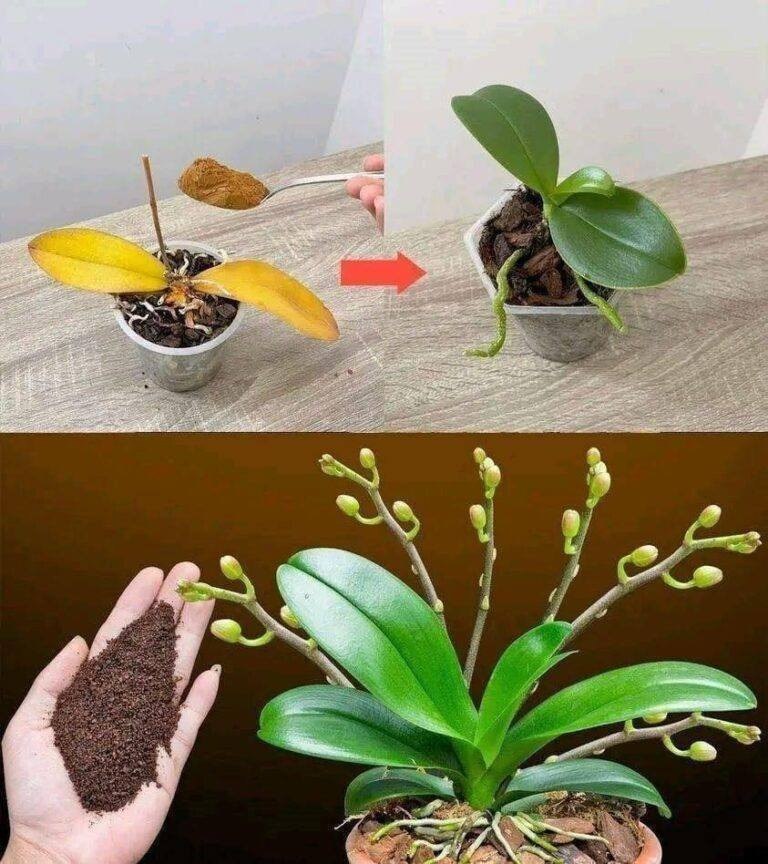
You’ve likely seen viral posts claiming:
“Add 1 teaspoon of [mystery solution] to your orchid—watch it bloom non-stop!”
These claims often point to household items like Epsom salt, hydrogen peroxide, cinnamon, or even milk as the “secret.” But while well-intentioned, most of these “hacks” are ineffective or even harmful to orchids.
Orchids—especially the common Phalaenopsis (moth orchid)—bloom based on environmental cues, not magical potions. Let’s separate fact from fiction and reveal what actually triggers bountiful blossoms.
❌ Debunking the “1 Teaspoon” Myths
“Miracle” Ingredient
The Claim
The Reality
Epsom salt (magnesium sulfate)
“Boosts blooming”
Only helpful if magnesium-deficient (rare). Too much harms roots.
Hydrogen peroxide
“Oxygenates roots, prevents rot”
Can kill beneficial microbes and damage delicate orchid roots. Not for routine use.
Cinnamon
“Natural fungicide that encourages blooms”
Safe as a topical antifungal on cut roots—but not a fertilizer or bloom booster.
Milk or banana water
“Natural potassium source”
Spoils quickly, invites mold, and provides negligible nutrients.
Bottom line: No single teaspoon of a kitchen ingredient will reliably trigger orchid blooms.
✅ What Actually Makes Orchids Bloom
Orchids bloom when their natural growth cycle is supported—not forced. Here’s the real “secret”:
🌿 1. Bright, Indirect Light
